THE EDIT
It starts with the produce
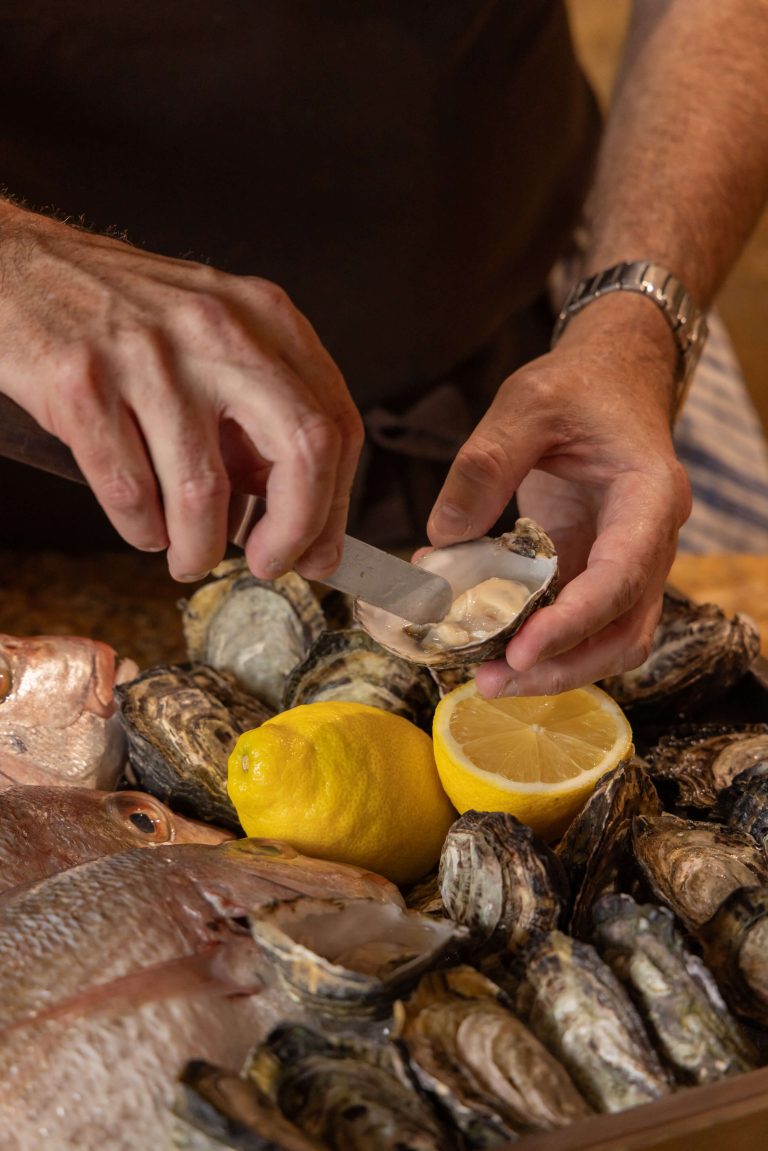
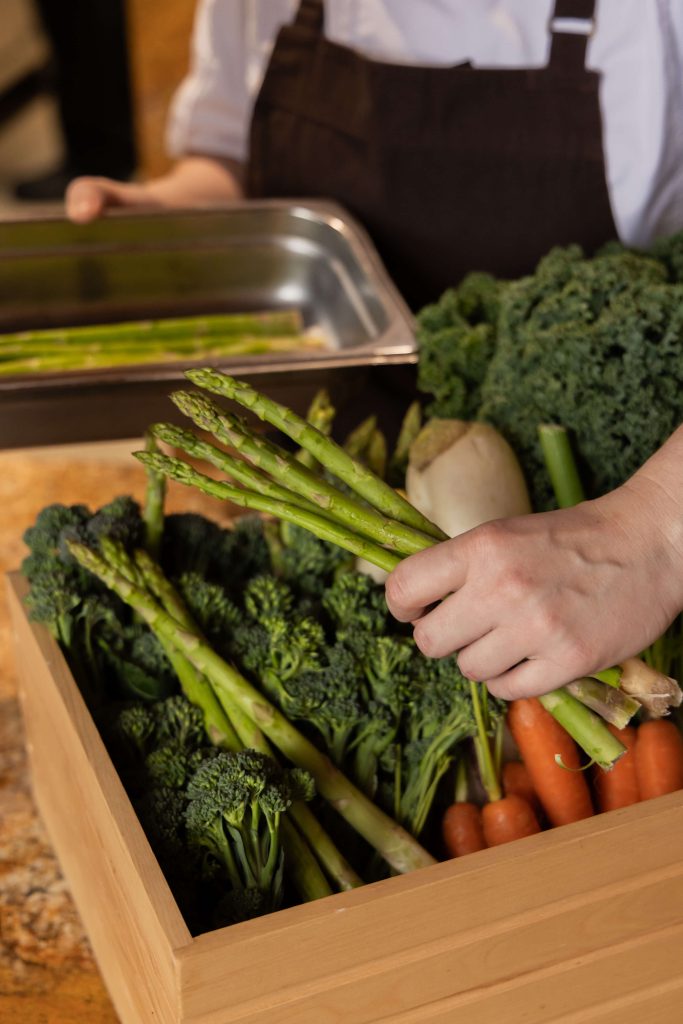
At KIN Bar & Dining, the starting point is simple: find exceptional produce and know when to let it speak for itself.
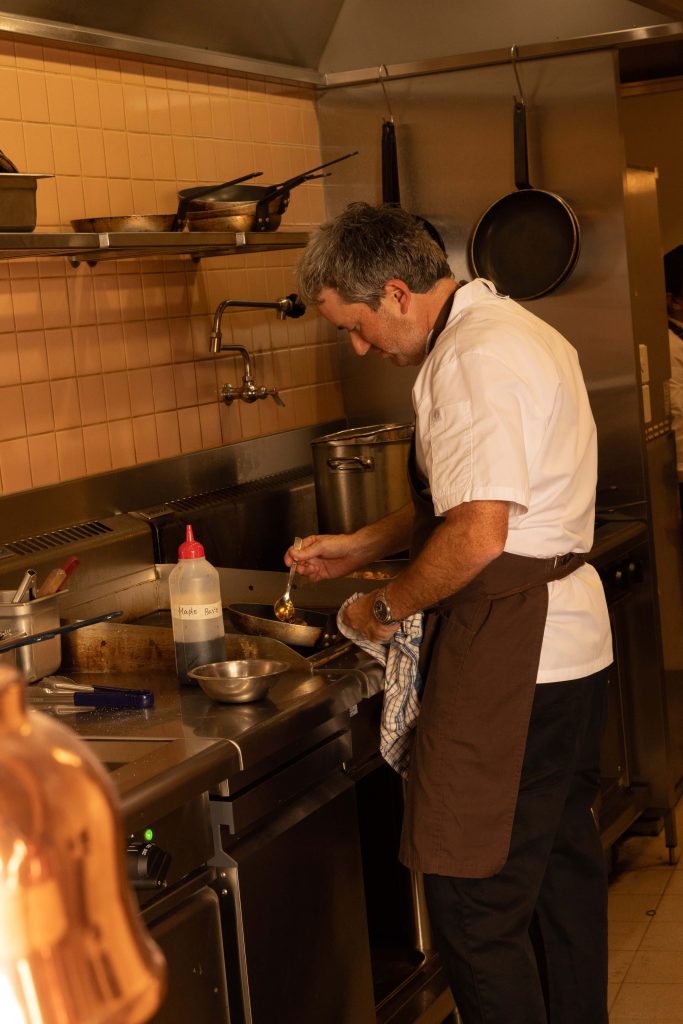
It is a philosophy that guides Head Chef Marcus Turner and the way he approaches each menu. The menu moves with the seasons, led by the produce available and Marcus’s instinct for when to leave well enough alone.
The result is a menu that feels grounded rather than showy. There are recognisable dishes and flavours, but also plenty of room for Marcus to draw on different influences, revisit classics and respond to what is best at that particular point in the year.
“Every season brings something worth celebrating, and our menu evolves alongside it. We let exceptional produce guide every dish, keeping the cooking honest, generous and full of flavour. It’s a simple approach, but one we believe makes all the difference.”
Knowing when to do less
For Marcus, simplicity does not mean an absence of technique. It is knowing where technique adds something and, just as importantly, where it does not.
“Cooking is about knowing when to do less. By treating every ingredient with care and allowing it to shine, we create dishes that feel balanced, generous and true to the season. Sometimes, simplicity is the greatest luxury.”
At KIN, that means starting with ingredients chosen for their provenance and quality, then deciding how much, or how little, they need.
“I’ve always believed that great food starts with great produce. Our role as chefs is to respect each ingredient, cook with purpose and never overcomplicate what nature has already perfected. That’s the philosophy behind every dish we serve at KIN.”
Setting the standard
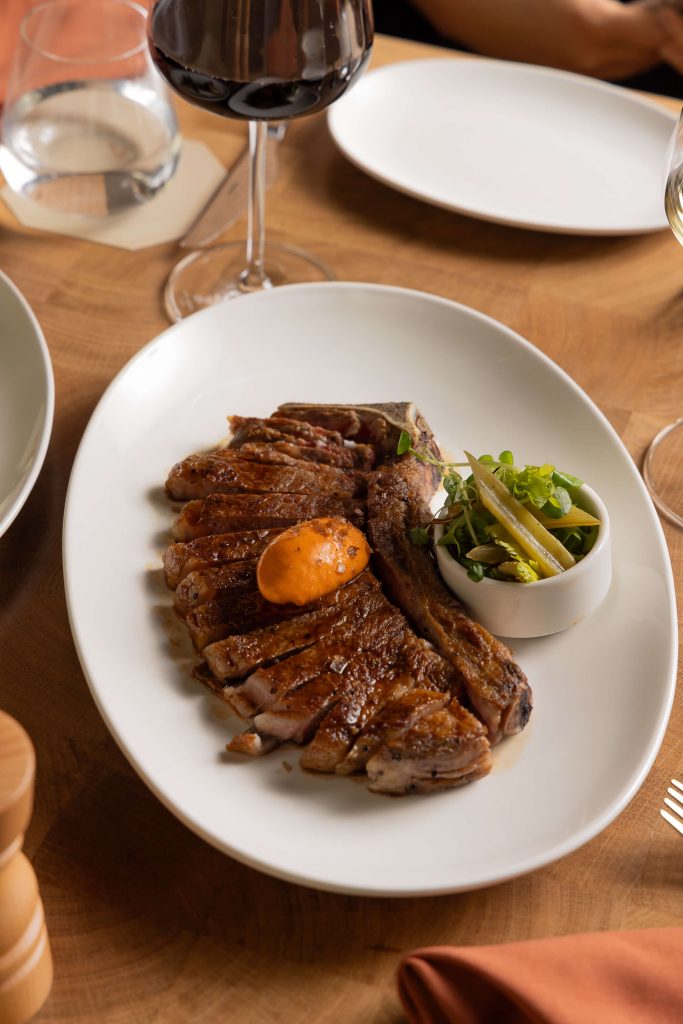
Perhaps nowhere is that approach clearer than KIN’s 500g bone-in Black Angus sirloin.
The beef comes from Yardstick, which sources cattle across eastern Australia, from Central Queensland and the Darling Downs to the Riverina. Four decades of refinement sit behind the program, with Black Angus cattle grain finished to deliver the consistency, marbling and richness Marcus is looking for.
At KIN, the sirloin arrives bone-in, with compressed celery and a Bloody Mary butter that melts into the beef. Inspired by the cocktail, the butter brings its familiar savoury hit of spice, tang and umami to the richness of the steak.
It’s a good example of the restraint Marcus talks about. The provenance of the beef matters, but so does what happens next: a generous cut, cooked well, with just enough alongside it.

A new perspective on the familiar
There is familiarity throughout the menu at KIN, but familiarity does not mean standing still.
“The best dishes are often the ones that have stood the test of time. I enjoy honouring those classics while bringing my own perspective to them, always guided by the seasons and the quality of the ingredients. That’s where I believe great cooking begins.”
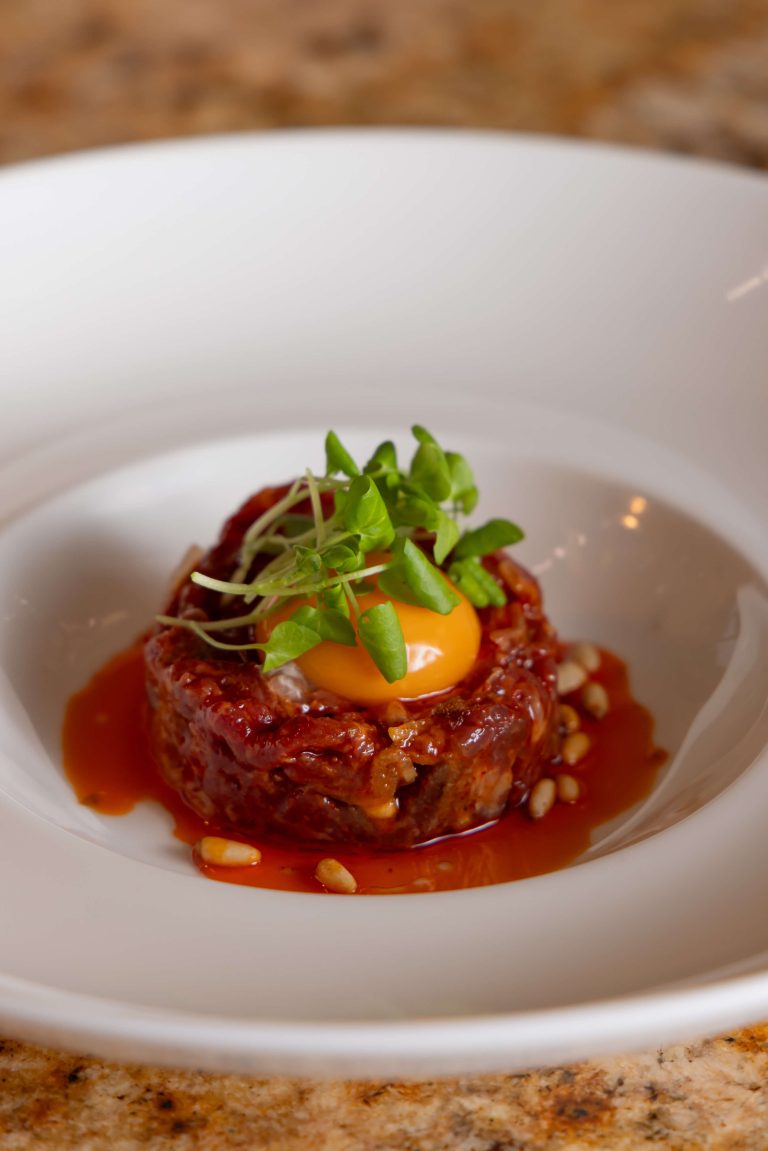
KIN’s Yukhoe Beef Tartare takes its cues from the Korean tradition of yukhoe, where finely cut strips of raw beef are lightly seasoned and typically accompanied by nashi pear, sesame and egg yolk. It’s a combination built around balance: richness from the beef and yolk, freshness and sweetness from the pear, and the distinctive nuttiness of sesame.
At KIN, Korean red pepper powder, sesame oil and confit garlic bring savoury depth and gentle warmth to the beef. Crisp nashi provides contrast against the richness of the yolk, while sesame and pine nuts add texture and nuttiness. The result retains the balance at the heart of yukhoe while taking on a character of its own.
The pairing follows much the same thinking. Poggio Anima Chianti DOCG 2024, a Sangiovese-led red from Tuscany, brings ripe red fruit and fresh acidity without overwhelming the delicacy of the tartare. The acidity balances the richness of the yolk and sesame oil, while the wine’s red-fruit character sits comfortably alongside the sweetness of the nashi and the savoury depth of the confit garlic and sesame.
It’s an idea that can be found throughout the KIN menu: looking to established dishes and culinary traditions as a starting point, then allowing ingredients, seasonality and a different point of view to take them somewhere new.
Settling in
KIN isn’t a restaurant that asks you to approach the menu in a particular way. A few plates and a glass of wine can turn into dinner. The bone-in sirloin is made for the middle of the table.
There are dishes to share, others you may be less inclined to, and a menu that leaves enough choice to order according to the occasion.
That informality is an important counterpoint to the detail in Marcus’s cooking. There is thought behind the provenance, the seasonality and each element on the plate, but the experience of eating it is intended to feel easy.
Perhaps that’s where Marcus’s idea of doing less matters most. Once the food leaves the kitchen, there is nothing left to explain. It is simply there to be enjoyed.